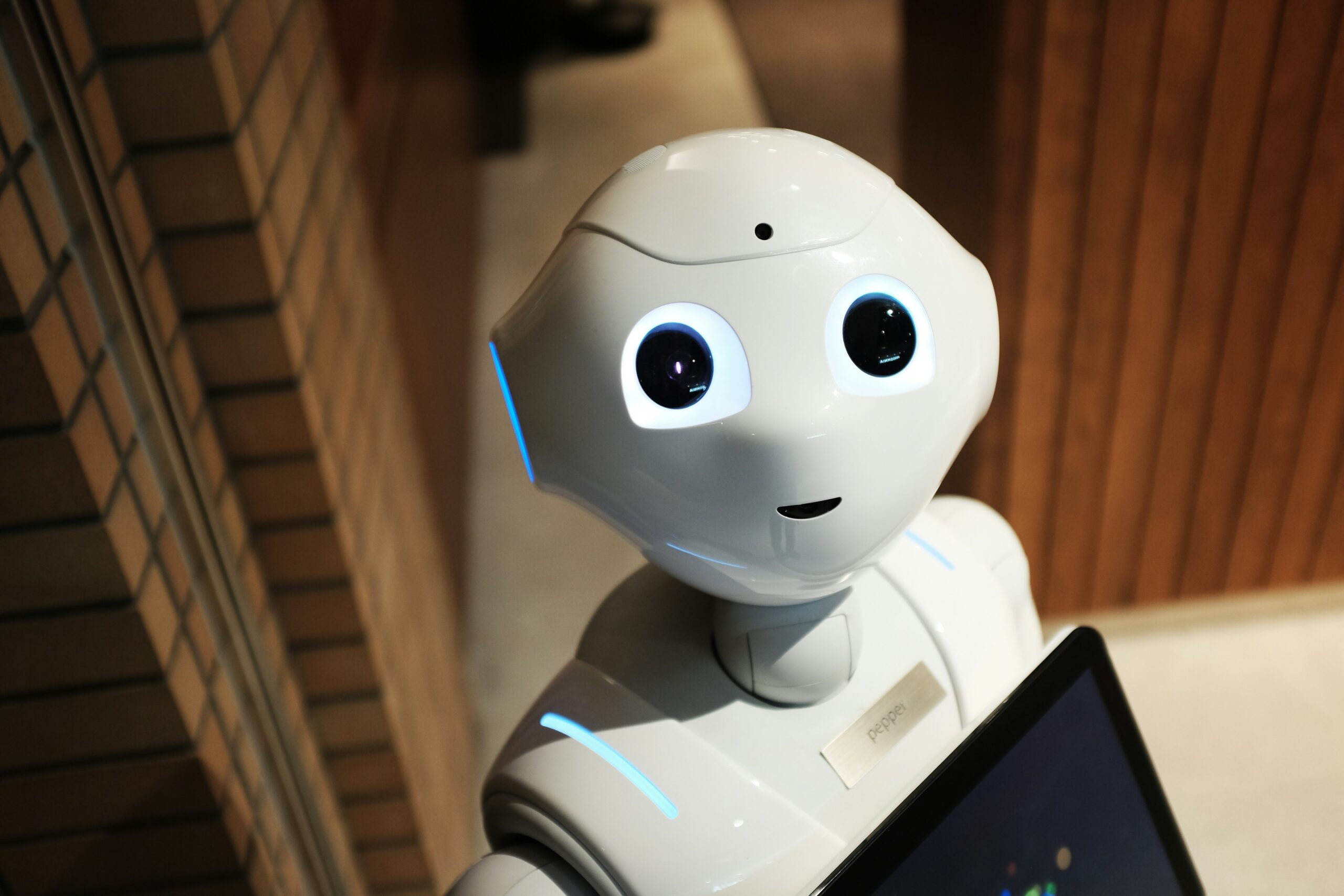
AI and automation in the workplace ,2026
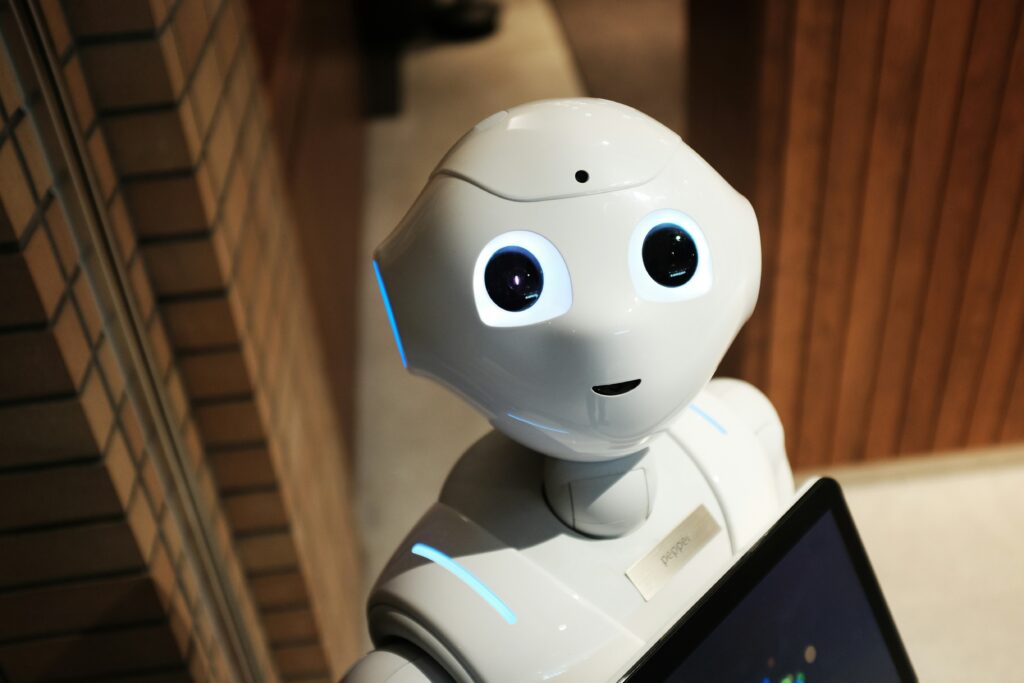
Ai automation and intelligence are transforming the U.S. workplace, reshaping jobs, boosting productivity, and raising new challenges around skills, ethics, and the future of work.
An introduction AI and automation are quickly changing the way people work in the United States. Smart technologies are transforming the way people work, the way choices are made, and the skills that workers need to do their jobs well in places like factories, corporate offices, hospitals, and stores. These technologies can greatly improve productivity, efficiency, and creativity, but they also make people worry about job loss, inequality in the workforce, and what the future of employment in the US will be like
Learning about AI and automation
AI is the ability of computer systems to do things that usually require human intelligence, like learning, solving problems, understanding language, and recognizing patterns. Automation employs technology to do things with as little help from people as possible. AI and automation work together to let machines do both simple physical work and complicated mental work. Robotic assembly lines, chatbots in customer service, predictive analytics in finance, and diagnostic tools in healthcare are all examples.
How it affects jobs and work
The effect of AI on jobs is one of the most talked-about parts of AI in the workplace. Automation has already taken over a lot of tasks that are repetitive and manual, especially in manufacturing, logistics, and data processing. Many businesses are now using checkout systems, warehouse robots, and automated scheduling tools. But AI is also making new jobs available.
- There is a growing need for data scientists, AI engineers, cybersecurity experts, and those who know how to run and fix automated systems.
- AI is taking care of routine work, so many jobs are changing instead of going away. People may then focus on creativity, strategy, and interpersonal skills.
- The hard part is making sure that workers can move into these new responsibilities.
Growth in the economy and productivity
AI automation and intelligence have the potential to greatly enhance productivity in the U.S. economy. Businesses may run more efficiently by eliminating errors, speeding up procedures, and saving costs.
AI-powered systems in healthcare help with administrative tasks, forecast how patients will do, and evaluate medical pictures. This lets physicians spend more time caring for patients. Automation makes it easier to manage crops and cuts down on personnel shortages in farming. These increases in productivity can help the economy thrive and make businesses more competitive around the world. Companies that successfully use AI are frequently better able to come up with new ideas, grow, and create employment that pay well. However, without suitable policy frameworks, the advantages may be unevenly distributed.
Skills and Education for the Workforce
AI in the workplace brings up major moral issues.
If the data used to train algorithms for hiring, performance reviews, and scheduling is bad, they can unintentionally reinforce bias.
- Worker monitoring technology, such as productivity tracking software, pose questions about privacy and trust.
- To keep things fair and give workers their dignity, AI design must be open, accountable, and responsible. People are also becoming more worried about the gap between rich and poor.
- AI-driven growth may help highly competent workers more than it helps less skilled individuals, who are more likely to lose their jobs.
- To fix these differences, we need smart policy responses and innovation strategies that include everyone.
Government and Policy Response
The U.S. government is very important in deciding how AI and automation will effect jobs. Policies that help people get jobs, like job training programs, protections for people who are unemployed, and funding for education, can help lessen the impact of changes. In an economy powered by AI, it is also important to strengthen labor standards and make sure that anti-discrimination laws are followed. Investing in research and infrastructure by the government can help the US stay at the forefront of AI innovation while also putting workers’ health and safety first. To create a better future of employment for everyone, the government, businesses, and labor groups need to work together. Final Thoughts In the United States, artificial intelligence and automation are changing the way people work. These technologies may make people more productive and open up new job opportunities, but they also pose big problems when it comes to jobs, skills, and fairness. The U.S. can take advantage of AI while making sure that workers are not left behind by putting money into education, ethical AI practices, and governmental policies that help people. The future of work will depend on more than just technology. It will also depend on how people choose to change and respond.