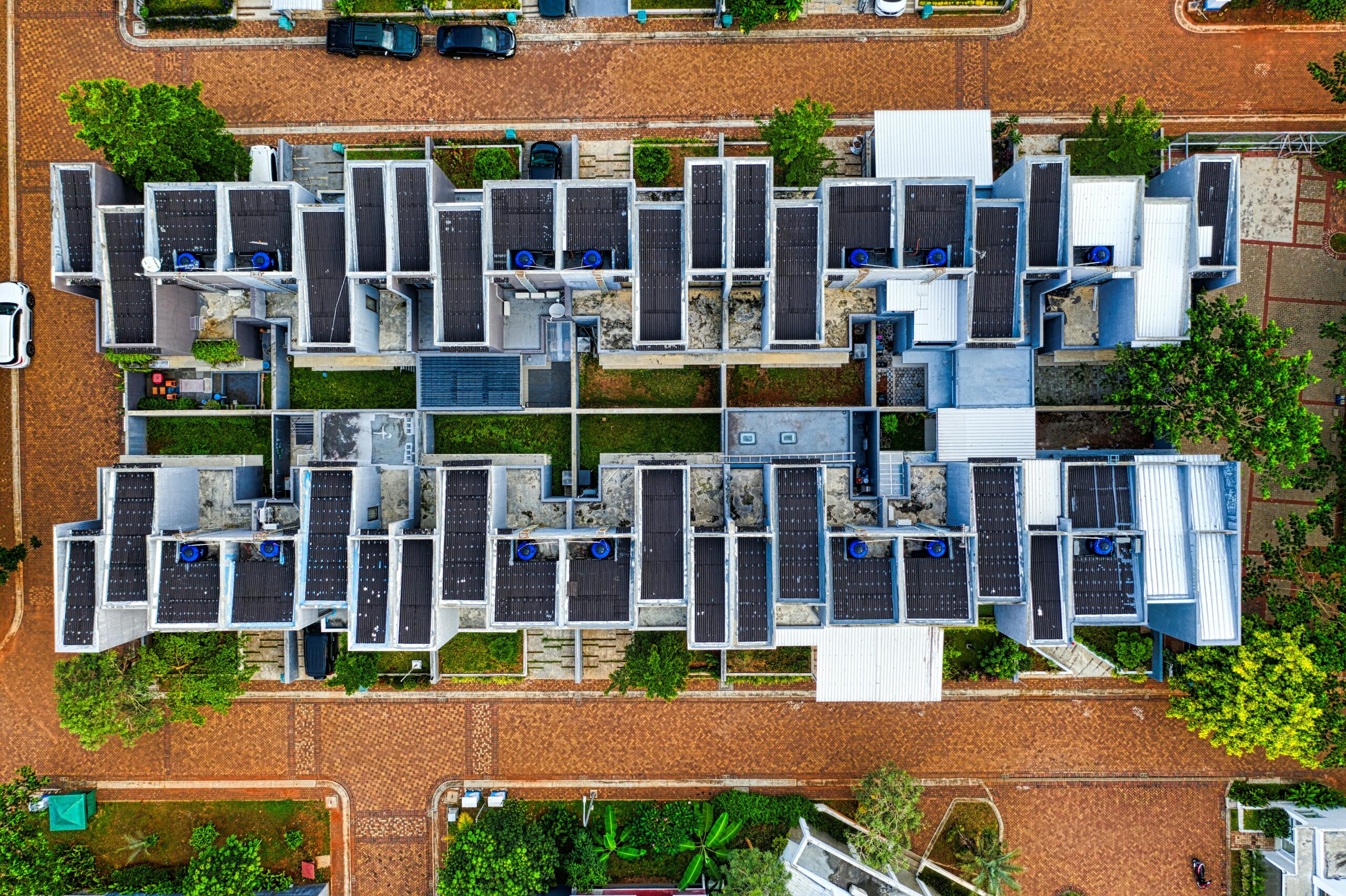
U.S. Solar Installations Fell in 2025 as Trump Attacked Clean Energy
U.S. solar installations fell in 2025 amid policy changes and reduced incentives under Donald Trump’s administration. Discover the causes, industry impact, and future outlook for clean energy.
Introduction
Analysts reported that US Solar Installations Fell in 2025 after several years of strong growth, highlighting the impact of government policy changes and market uncertainty.
The United States has long been a leader in renewable energy development, particularly in solar power. Over the past decade, solar installations have expanded rapidly as technology costs declined and government incentives encouraged investment. However, the momentum slowed in 2025 when the number of new solar installations declined for the first time in several years. Industry experts attribute much of this slowdown to policy shifts and regulatory uncertainty introduced during the administration of Donald Trump.
According to a report by the Solar Energy Industries Association and the energy research firm Wood Mackenzie, the United States installed about 43 gigawatts (GW) of solar capacity in 2025, down from nearly 50 GW in 2024, representing roughly a 14% decline.
This slowdown highlights how policy decisions can significantly affect the growth of renewable energy industries.
In 2025, the U.S. solar industry faced significant challenges, and US Solar Installations Fell in 2025 due to policy changes, tariffs, and market uncertainty.
The Rise of Solar Energy in the United States
Solar power has become one of the fastest-growing energy sources in the U.S. Over the last decade, falling equipment costs, technological innovation, and strong policy incentives drove a rapid expansion of solar farms and rooftop systems.
By the mid-2020s, solar energy was responsible for a significant share of new electricity generation capacity in the country. In fact, solar accounted for more than half of the new power capacity added to the U.S. grid in 2025, demonstrating the sector’s continuing importance despite the slowdown.
The rapid growth also made solar a central component of the global transition toward cleaner energy sources and reduced carbon emissions.
Why US Solar Installations Fell in 2025
Why Solar Installations Fell in 2025
1. Policy Changes and Reduced Incentives
One of the most important factors behind the decline was the introduction of new policies affecting renewable energy incentives. The administration implemented legislative changes through the One Big Beautiful Bill Act, which modified and accelerated the phase-out of federal tax credits for solar and wind projects.
These changes reduced financial incentives that had previously encouraged companies and homeowners to invest in solar systems.
Without strong incentives, many developers delayed projects or canceled planned installations.
Discover why US Solar Installations Fell in 2025: policy changes, tariffs, and investor uncertainty slowed solar growth nationwide.
2. Investor Uncertainty
Another major factor was uncertainty in the renewable energy market. Developers rely heavily on long-term policy stability when planning large energy projects.
Frequent policy changes, shifting deadlines for tax credits, and regulatory hurdles made investors hesitant to commit to new solar installations. As a result, many planned projects were postponed while companies waited for clearer policy signals.
3. Tariffs and Supply Chain Challenges
Tariffs on imported solar components also increased the cost of building solar systems. Because much of the global solar supply chain depends on international manufacturing, tariffs can significantly affect project budgets.
Higher equipment costs forced some developers to delay or scale back projects in 2025.
4. Permitting and Regulatory Delays
Renewable energy projects often require extensive environmental reviews and local approvals. In 2025, stricter permitting requirements and regulatory reviews slowed the approval process for many large-scale solar projects.
Industry experts noted that dozens of planned projects were stalled due to administrative delays and regulatory barriers.
Impact on the Solar Industry
The slowdown had noticeable effects across the renewable energy sector.
Project Delays
Many large utility-scale solar farms were pushed into later years, particularly those scheduled to come online in late 2025.
Reduced Investment
Investors became more cautious due to policy uncertainty, leading to a temporary decline in new funding for solar infrastructure.
Job Concerns
The solar industry supports hundreds of thousands of jobs in manufacturing, installation, and maintenance. Slower project development raised concerns about potential job losses in the renewable energy sector.
Although US Solar Installations Fell in 2025, solar energy remains a critical part of the nation’s renewable energy future.
Analysts report that US Solar Installations Fell in 2025 after several years of growth.
Even though US Solar Installations Fell in 2025, some states still saw solar expansion.
Experts expect recovery after US Solar Installations Fell in 2025.
Solar Still Dominates New Power Capacity
Despite the decline in installations, solar energy remained the largest source of new electricity generation capacity added to the U.S. grid in 2025. Solar alone accounted for 54% of new capacity, while solar combined with energy storage represented about 79% of all new power capacity installed that year.
This shows that although growth slowed, solar energy remains central to America’s energy transition.
Regional Solar Growth
Interestingly, many of the states that added the most solar capacity in 2025 were states that supported Trump politically. These included:
- Texas
- Florida
- Arizona
- Indiana
- Ohio
- Utah
Together, these states accounted for a large share of new solar projects, showing that renewable energy development is expanding across diverse political regions.
The Global Solar Context
The slowdown in the U.S. also reflects broader global trends. Some major markets, including China and the United States, are experiencing slower growth after years of rapid expansion.
However, globally, solar energy remains one of the fastest-growing electricity sources. Many developing countries are expanding solar infrastructure rapidly as costs decline and energy demand increases.
Experts predict that solar power will remain the world’s cheapest source of electricity in many regions, which could drive significant long-term growth.
Future Outlook for U.S. Solar Energy
Despite the challenges of 2025, industry analysts remain optimistic about the long-term future of solar power in the United States.
The SEIA and Wood Mackenzie report projects that the country could add around 490 GW of new solar capacity by 2036, bringing total installed capacity to roughly 770 GW.
Several factors could support future growth:
- Rising electricity demand from AI data centers and electrification
- Falling costs of solar panels and battery storage
- State-level clean energy policies
- Corporate commitments to renewable power
If policy stability improves, solar installations could accelerate again in the coming years.
Conclusion
The decline in U.S. solar installations in 2025 highlights how strongly energy markets depend on government policy and investor confidence. Changes in incentives, regulatory delays, and tariffs slowed the pace of solar development during the year.
However, the broader trend remains clear: solar energy continues to play a major role in the global shift toward cleaner electricity. Even during a year of slower growth, solar power still dominated new energy capacity in the United States.
With technological advances and growing demand for sustainable energy, the solar industry is likely to remain a key pillar of the future energy system.
Although US Solar Installations Fell in 2025, solar energy remains a critical part of America’s renewable energy future.